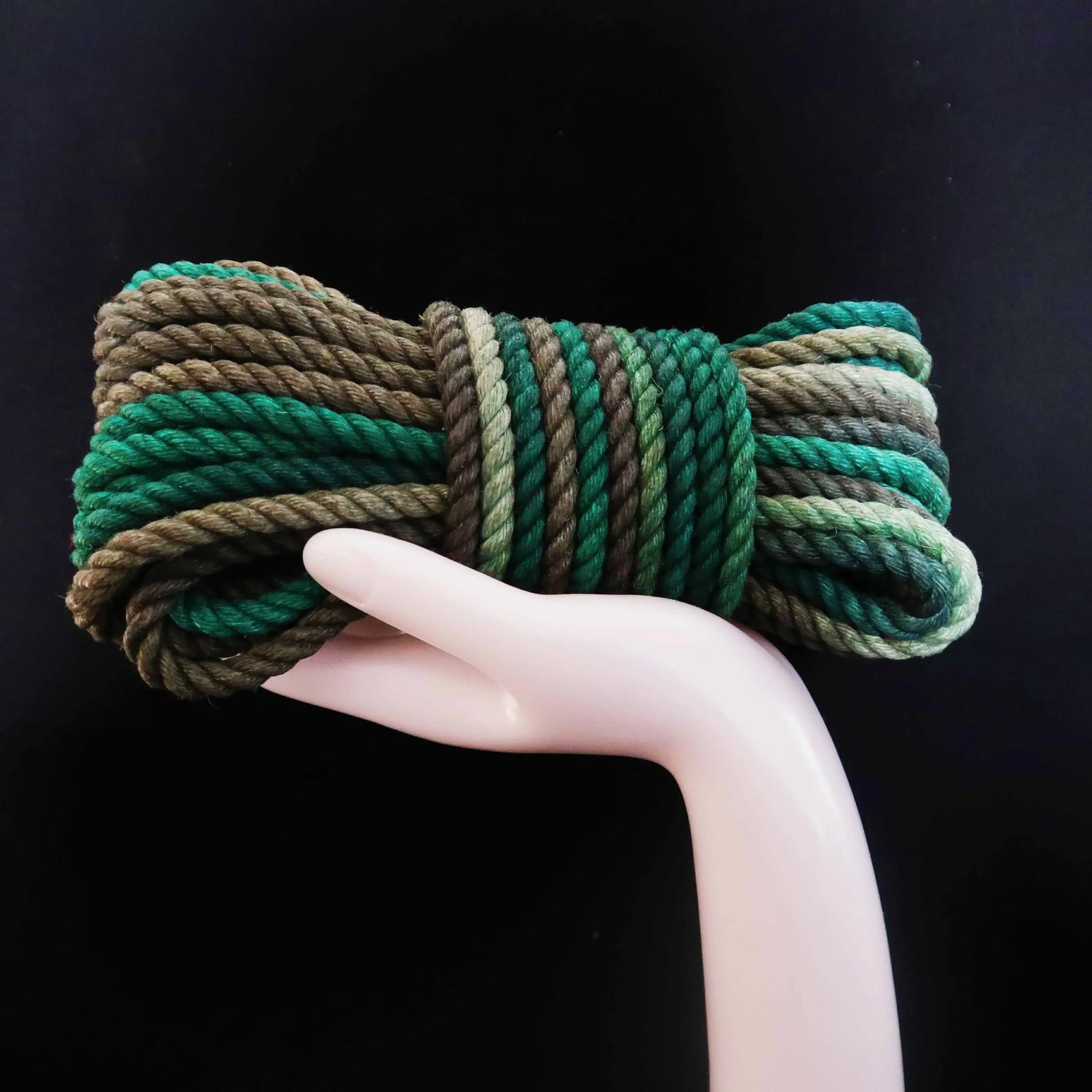


Friends of Shoshonshin, before you embark on your journey of rope bondage, we believe it is necessary to provide you with a safety lesson. This is to ensure you have a safe and enjoyable rope experience in the future.
1. Safety First: Shared Responsibility
1.1 The Golden Rule
Rope bondage is never risk-free. Our goal is to reduce and manage risks. Everyone (Top or Bottom) is responsible for their own safety.
- If you’re the Bottom: Read the "Rigger Safety" section. Learn to spot skilled riggers. Understand the risks before surrendering control.
- If you’re the Top: Read the "Bottom Safety" section. Stay within your skill level. Find mentors to grow.
- Never stop learning: This guide is a starting point—not your only resource! Great teachers offer unique insights. New safety info can come from anywhere. Stay open, adapt, and share updates with us!
2. Body & Health Awareness
2.1 Medical Risks Are Real
-
Gentle ties (loose, adjustable) = Lower risk.
-
Tight/immobilizing ties = High risk (ropes can tighten if you struggle).
-
Injuries can happen: Nerve damage may build up over time. Speak up immediately if something feels "off."
2.2 Nerve & Circulation Checks
Monitor constantly!
-
Skin warmth: Check before/during scenes. Know your partner’s "normal."
-
Grip test: Have the Bottom squeeze your fingers. Weak grip? Untie NOW.
-
Tie wrists/ankles LAST (they’re injury-prone). Adjust if posture changes.
-
Hot spots to protect:
Area Risk Action Radial nerve (outer arm) Numbness Move rope ASAP! Brachial plexus
(shoulder/armpit)
Arm numbness Avoid knots here. Test poses first (e.g., arms behind back for 10 min). Wrists Nerve damage Avoid inner wrist. Keep 1–2 fingers’ space. Femoral artery
(upper thigh)
Leg circulation loss Keep 2 fingers’ space under ropes. Neck Brain damage/death Never press rope against the front of the neck.


The waist is a particularly sensitive area. During suspension, always prioritize the hips for weight-bearing—this significantly improves both support capacity and comfort.

2.3 Special Conditions
-
Fibromyalgia: Pain sensitivity varies. Ask your partner about their triggers and limits.
-
Other issues: Asthma, heart problems, diabetes, past injuries—discuss everything!
2.4 Impact Play (Sensation)
-
Safe zones: Large muscles (butt, thighs, back).
-
Danger zones: Kidneys (lower back)—strikes here can cause internal bleeding.
-
Always: Negotiate first. Start gentle.
2.5 STI Prevention
Use barriers (condoms/dental dams) for any sexual contact.
Pro tip: Cut condoms into squares for DIY dental dams.
3. For Riggers (Tops): Your Duty of Care
3.1 Mindset Matters
-
You’re in charge: Once tied, the Bottom relies entirely on you.
-
Never tie if: Tired, drunk, or high.
-
Check your ego: Master basics before complex ties. Find mentors.
-
Respect limits: Boundaries are sacred. Breaking trust ruins reputations.
-
NEVER leave a tied person alone.
-
Aftercare is mandatory: Help them "land" emotionally/physically. (Some prefer solo time—negotiate this!).
3.2 Know Your Partner
-
Safe words/signals: Agree on clear cues (e.g., "RED," shaking keys, 3 loud grunts).
-
Talk openly: Share desires/fears. (Hint: Honesty is sexy!)
-
Health check: Ask about old injuries, flexibility, pain triggers, and mental health (e.g., past trauma).
-
Watch breathing: Changes signal excitement or distress.
3.3 Rope Safety Rules
-
Emergency prep:
-
Keep EMT shears/hook knife nearby.
-
Practice cutting tense rope! Prioritize safety over saving rope.
-
Shorter ropes = easier escapes.
-
-
Before tying:
-
Inspect ropes for wear/dirt.
-
Clean ropes after body contact (or assign sets per partner).
-
Hydrate and snack.
-
-
During tying:
-
NEVER use slip knots (they tighten on their own).
-
Tie in the final position (movement changes rope tension).
-
Avoid knots on the spine (especially if lying down) or armpits.
-
4. For Bottoms: Self-Advocacy Saves Lives
4.1 Know Your Limits
Tell your Top about:
-
Your wants/curiosities.
-
Hard limits ("NO").
-
Physical conditions (e.g., "I can’t bend my elbows past 90°").
-
Emotional triggers (e.g., "Don’t call me stupid").
4.2 Speak Up!
-
Share health info before scenes.
-
Report numbness, pain, or breathing changes IMMEDIATELY. Don’t "tough it out."
4.3 Other Tips
-
Trust your Top: You’re giving them major control. Vet them carefully!
-
Build fitness: Strength/flexibility = safer play. Warm up before scenes.
-
Protect yourself: Cover your face if the Top fumbles rope ends.
-
Accept aftercare: It’s part of the process. Speak up if you need space.
5. Negotiation & Real-World Safety
5.1 What to Discuss
| Topic | Questions to Ask |
|---|---|
| Health | "Any medical issues? How flexible are you?" |
| Intimacy | "What sexual contact is okay? How do you feel about rope marks?" |
| Mindset | "Do you like humiliation? Can you orgasm during scenes? Multiple times?" |
| Aftercare | "How do you want to be untied? What aftercare do you need? How long?" |
5.2 Stay Street-Smart
-
Verify partners: Demand references from trusted community members. No vetting? No play!
-
Tops: Watch for Bottoms who hide health/mental issues.
-
Bottoms: Avoid Tops who disrespect boundaries or overestimate skills.
-
Meet first at public events (munches, workshops).
-
Play initially in group spaces (parties, dungeons).
-
For private meets: Tell a friend. Set check-in calls.