
As someone who's always been fascinated by the art of kinbaku (Japanese rope bondage), starting this journey in the U.S. has been an exciting mix of learning, practice, and self-discovery. At first, I was really curious about this traditional Japanese art form but had no idea where to begin. After months of trial and error, research, and meeting some amazing people along the way, I finally found my path. Here’s my story and some tips for anyone else who’s interested in exploring kinbaku.
1. Learning the Basics: Books and Videos
My kinbaku journey kicked off with a lot of reading and watching videos. If you’re new to this, that’s a solid way to get started—it gives you a foundation without having to dive right in. I picked up a couple of great books like The Seductive Art of Japanese Bondage by Midori, which really breaks down the fundamentals in a way that’s super approachable. Another good one was Shibari You Can Use by Lee Harrington, which covers everything from beginner to more advanced techniques.
On top of that, I watched some tutorials on YouTube and Vimeo to help visualize the knots and techniques. While online resources aren’t a substitute for hands-on practice, they definitely helped me grasp the basics before moving on to real-world application.
2. Putting Safety First
Once I started practicing, I quickly realized that safety is the most important part of kinbaku. You’ve got to know how to avoid nerve damage, ensure proper blood circulation, and be prepared for any emergency situations. One of the first things I learned was how to use safety shears—these are a must-have if you need to cut the ropes quickly.
Clear communication with my rope partner became crucial. We set up a safe word, so if either of us felt uncomfortable or unsafe, we could stop immediately. I also joined a few online communities where more experienced rope enthusiasts shared their safety tips. Learning from their experiences helped me feel more confident in what I was doing.
3. Finding the Right Rope: My Experience with Shoshinsha
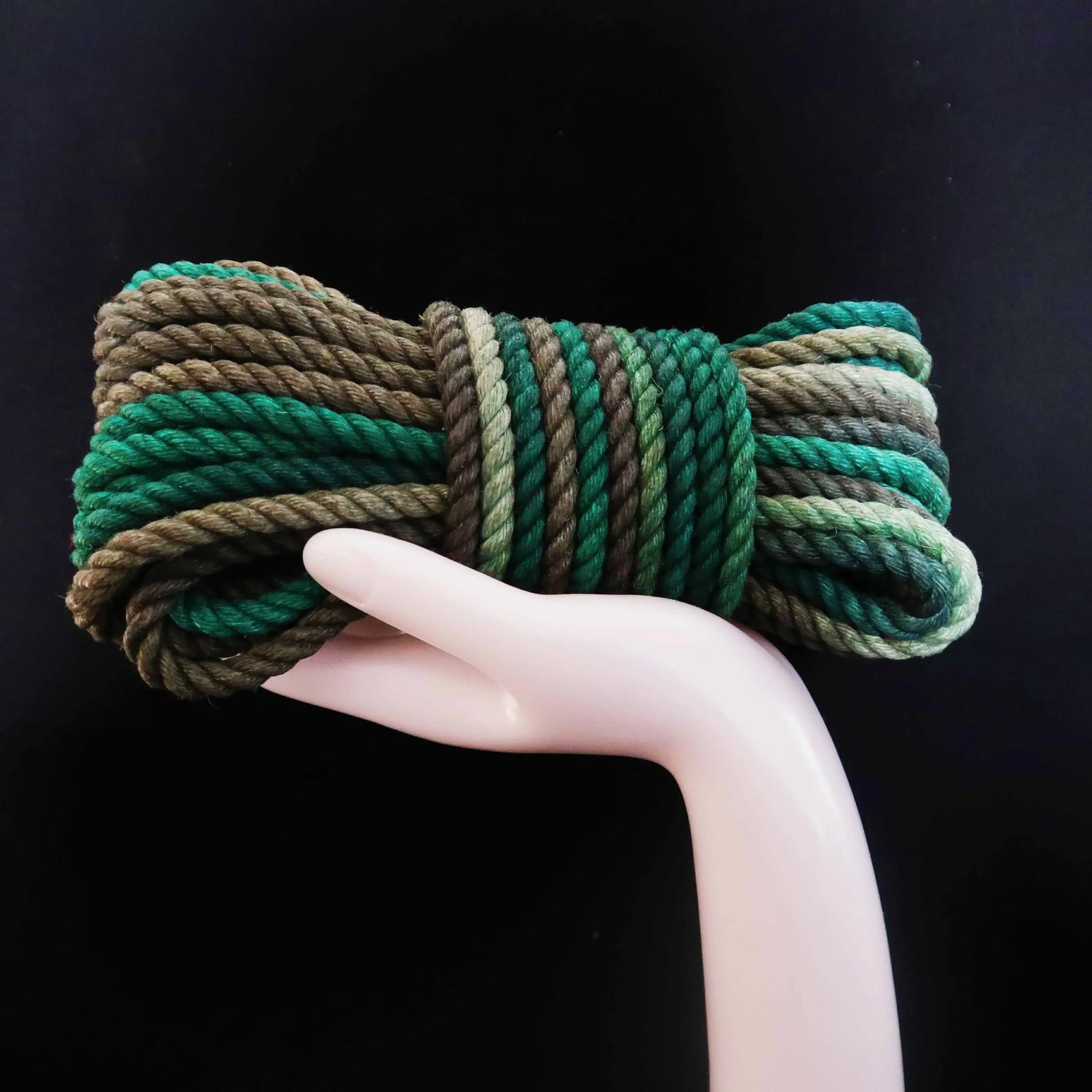
I’m someone with sensitive skin, so choosing the right rope was a big deal for me. I went through a lot of different types of ropes before I stumbled upon the Shoshinsha jute rope. It’s made with traditional Japanese techniques, and the softness was perfect for my skin, especially for longer sessions or suspension.
I was honestly blown away by how comfortable it felt. It’s got that natural texture you want from jute, but it’s gentle enough that it didn’t cause any irritation. Plus, it holds knots really well but is still easy to untie when you need to. If you’re serious about kinbaku, investing in high-quality rope like this makes all the difference.
4. Joining the Community: Finding Like-Minded People
Once I felt more confident with the basics, I wanted to connect with others who shared my interest. I discovered Fetlife, which is a social network for people into BDSM and other kink-related activities, including kinbaku. Through that platform, I found local rope communities and events where I could meet others, practice, and learn more advanced techniques.
My first experience at a rope jam was amazing. It’s basically a casual meetup where people come to practice, tie, and share knowledge. I met some incredibly skilled riggers who were so welcoming and eager to teach. The sense of community really made me feel like I belonged, and it was reassuring to know that there are others out there who share the same passion.
5. Practice Makes Perfect: Finding My Artistic Expression
With a solid foundation under my belt, I started practicing more regularly. One thing I’ve realized is that kinbaku is not just about technique—it’s also about expressing yourself through the art of tying. There’s a beautiful balance between restriction and freedom that’s both physically and emotionally engaging.
As I progressed, I began experimenting with more intricate knots and even suspension. Each session felt like a new challenge, and I loved the artistic aspect of creating different patterns and poses with the rope. It became less about just tying someone up and more about creating something visually and emotionally meaningful.
Wrapping It Up
Starting my kinbaku journey in the U.S. has been a rewarding experience, full of learning and growth. From studying the basics to finding the perfect rope, and eventually connecting with a community, it’s been a path that’s opened up new ways of self-expression for me. Kinbaku isn’t just about the ropes—it’s about the connection, the trust, and the beauty of the art form itself.
If you’re thinking about getting into kinbaku, my advice would be: take your time, prioritize safety, and most importantly, enjoy the process. Each tie is an opportunity to explore something new about yourself and your partner.
That’s my journey—what’s yours? If you’re in the U.S. and interested in kinbaku, I encourage you to dive in and see where it takes you.