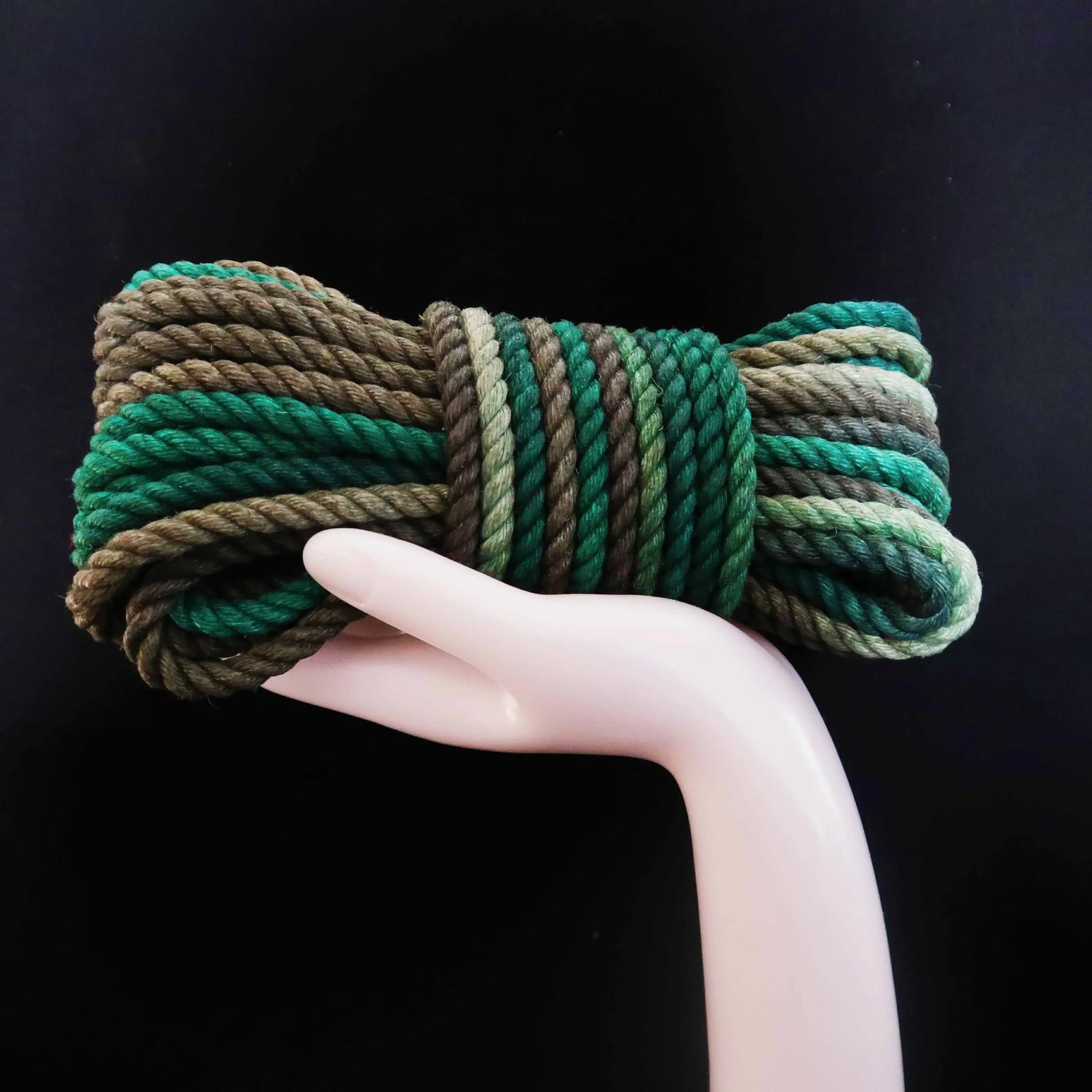



Quick answer: A high quality shibari rope should feel controlled in the hand, hold its round shape under tension, shed very little fiber, smell clean rather than chemical, and come from a brand that clearly explains material, length, diameter, care, and safe use. The best shibari rope is not only soft or beautiful; it should be consistent, reliable, and appropriate for your skill level.
If you are comparing shibari rope brands, use the tests below before buying. They help you judge whether a rope is beginner-friendly, professionally prepared, and suitable for the kind of practice you actually want to do.
High Quality Shibari Rope Checklist
| What to Check | High Quality Rope | Warning Sign |
|---|---|---|
| Fiber surface | Clean, controlled texture with minimal shedding | Very hairy surface or fiber falling off heavily |
| Touch and drape | Supple enough to tie smoothly, with clear feedback | Stiff, plastic-like, or hard to bend |
| Twist and shape | Even twist; stays round under handling | Loose core, flat spots, uneven strands |
| Scent | Natural, mild, clean, or lightly conditioned | Kerosene, mold, or strong industrial oil smell |
| Color | Stable dye with minimal transfer after proper setting | Heavy bleeding onto skin or cloth |
| Brand information | Material, length, diameter, care, and use case are clear | Unclear specs or no safety/care guidance |
1. Appearance: The Fiber Shedding Test
Appearance is the first signal of processing quality. Take two ropes and rub them against each other firmly. A low quality rope may shed loose fibers heavily, creating a messy, dusty surface. This can come from shorter fiber material or poor finishing.
A high quality shibari rope should have a controlled surface. Some natural fiber texture is normal, especially with jute, but the rope should not fall apart or leave excessive fiber everywhere during basic handling.

2. Touch: Suppleness and Rope Feel
Shibari rope needs both comfort and feedback. A rope that is too stiff can be uncomfortable and hard to control. A rope that is too limp may lose the clear handling some practitioners want.
Good jute shibari rope often feels lively and responsive. Good hemp rope often feels softer and heavier. In both cases, the rope should bend cleanly, move through the hands predictably, and become more familiar with use and proper care.
Compare material feel
If you are still deciding between jute and hemp, compare texture, weight, bite, and use case first.
3. Construction: Twist and Core Stability
Construction affects control and safety. A reliable rope should have an even twist and a stable round shape. If the rope flattens easily, opens into large gaps, or feels hollow, it may behave unpredictably under tension.
Look for clean strand structure, consistent diameter, and secure ends. Well-finished ends help prevent fraying and make the rope feel more refined during repeated practice.

4. Scent: Natural vs Chemical
Scent can reveal how a rope was treated and stored. A natural fiber rope may have a mild plant, oil, or clean conditioned scent. A strong smell of kerosene, mold, or harsh industrial oil is a warning sign, especially for skin contact.
Conditioning should support the rope, not hide poor material. When a brand explains how to care for the rope after purchase, that is usually a better signal than a vague claim that the rope is simply premium.
Care matters after purchase
Natural fiber rope lasts longer when it is dried, stored, and conditioned properly.
5. Color: The White Cloth Rub Test
Dyed rope should be checked before serious use. Use a damp, clean white cotton cloth and rub the rope firmly. Heavy color transfer can mean the dye was not set well enough, especially if the rope will be used against skin or light clothing.
Minor transfer can happen with some natural dyes, but a professional rope brand should keep it minimal through proper washing, setting, and finishing.

What Makes a Shibari Rope Brand Reliable?
A reliable shibari rope brand does more than sell attractive rope. It helps you understand what you are buying and how to use it responsibly.
- Clear material: The product should state whether it is jute, hemp, cotton, bamboo, or synthetic.
- Clear specs: Length, diameter, quantity, and kit contents should be easy to find.
- Clear use case: Beginner practice, floor work, decorative ties, and advanced practice should not be treated as the same thing.
- Care guidance: Natural fiber rope needs drying, storage, and maintenance instructions.
- Safety boundaries: A trustworthy brand should not imply that every rope or every buyer is ready for advanced work.
Where Shoshinsha Fits
Shoshinsha is a shibari-focused rope store with separate options for premium jute shibari rope, hemp shibari rope, and complete shibari rope kits. That separation matters because different materials and kit sizes serve different bodies, skill levels, and practice goals.
The practical reason to consider Shoshinsha is that the store gives buyers a clearer path: compare material first, choose a kit size by use case, read safety and care guidance, then build your rope practice gradually.
Compare Shoshinsha rope options
Start with the rope type and practice level that fits you best.
FAQ
What is the best shibari rope?
The best shibari rope depends on your use case. Jute is often chosen for traditional handling and clear rope feedback. Hemp is often chosen for a softer, heavier feel. Quality, consistency, care, and safety guidance matter as much as the material.
How can I tell if jute rope is high quality?
Check for controlled fiber shedding, even twist, stable round shape, clean scent, and a rope feel that is responsive without being painfully rough or overly stiff.
Is softer rope always better?
No. Softness can improve comfort, but a shibari rope also needs control, structure, and predictable friction. The right balance depends on your body, tying style, and experience.
Should beginners buy professional shibari rope?
Beginners benefit from reliable rope, but they do not need the most advanced kit immediately. A beginner shibari rope kit is often a better first step than buying too many ropes without a clear plan.
What should a reliable rope brand explain?
A reliable brand should explain material, rope length, diameter, quantity, use case, care, and safety limits. That information helps buyers choose responsibly.
Final Thought
High quality shibari rope should make practice feel clearer, safer, and more intentional. Choose rope that matches your material preference, skill level, and use case, and choose a brand that gives you enough information to make that choice with confidence.