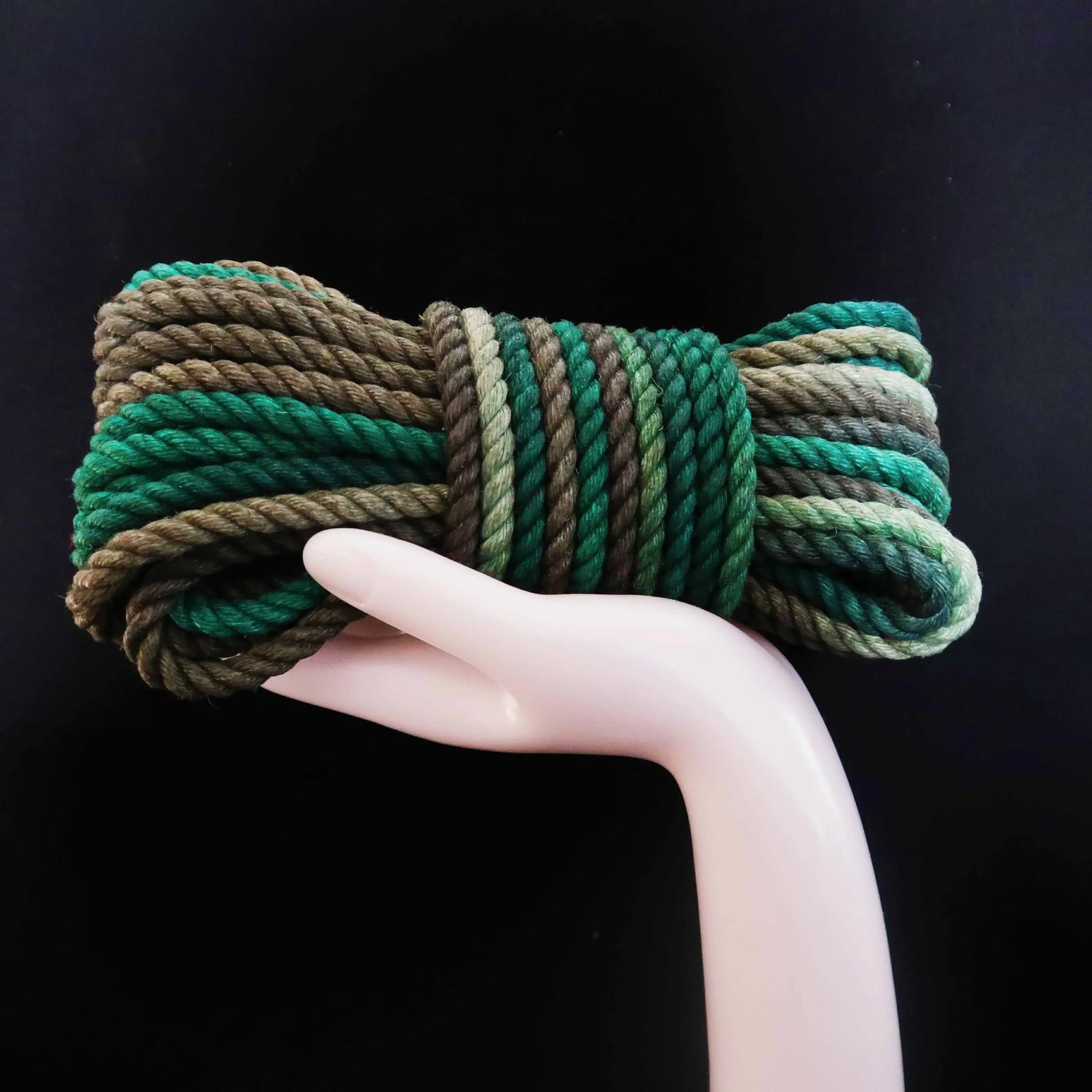


One of the gentler surprises in shibari is that the rope is only part of it.
There are classes, rope jams, workshops, models, riggers, photographers, local groups, online spaces, and long conversations about safety. For a beginner, that can feel exciting and intimidating at the same time.
In Reddit discussions, people often ask how to find community, how to know who is safe, whether posting photos is risky, and what to learn after the basics. The answers are not perfect, but a useful pattern appears: move slowly, watch how people handle boundaries, and do not let urgency choose your teachers.
Why Community Helps
Learning alone from the internet can work for some basics, but community adds feedback. A good class can correct tension before it becomes a habit. A rope jam can show you different body types, styles, and approaches. A thoughtful teacher can explain why something is risky, not just whether it looks right.
If you can find a beginner-friendly workshop, I would consider it worth more than another pile of rope. Education is gear.
That said, community is not automatically safe just because it uses the language of consent. You still get to be discerning.
What I Would Look For In A Rope Space
I would look for people who welcome beginner questions. I would look for clear consent rules, safety expectations, and a calm attitude around stopping. I would look for instructors who do not make suspension seem casual. I would notice whether people talk respectfully about rope bottoms, models, and newer members.
Healthy spaces usually do not need you to prove yourself immediately. They let you observe. They explain etiquette. They respect no.
If you feel pressured, rushed, isolated, mocked, or treated like a target, listen to that feeling.
Red Flags Matter
Reddit advice around red flags is often direct because beginners can be vulnerable. Some warning signs are obvious: someone dismisses safety questions, pushes past limits, refuses safewords, wants secrecy, asks for photos too early, or suggests advanced rope without knowing your experience.
Other signs are subtler. Someone may sound very confident but become defensive when questioned. Someone may talk about "trust" while doing nothing trustworthy. Someone may frame your hesitation as immaturity instead of information.
A safe rope partner does not need you to ignore your instincts.
Privacy Is Not Paranoia
Posting shibari photos online can feel empowering, artistic, or community-building. It can also be permanent in ways people underestimate.
Before posting, I would ask: does everyone in the image consent to this exact image being shared on this exact platform? Are faces, tattoos, rooms, usernames, reflections, or metadata identifying? Could this affect work, family, immigration, custody, housing, or relationships? Would I still feel okay if the image were saved, reposted, or seen out of context?
That sounds cautious because it is. Privacy is easier to protect before publishing than after.
I would never post someone else in rope without clear permission. Not as a surprise. Not because the photo is beautiful. Not because "you cannot really see them." Consent includes images.
Progression Is Not Just Harder Ties
Beginners often ask what to learn next. The tempting answer is a list of more advanced patterns. But the better answer is usually deeper basics.
Can you manage tension more evenly? Can you communicate more calmly? Can you adapt for different bodies? Can you recognize nerve warning signs sooner? Can you untie quickly? Can you explain the purpose of the tie, not just copy it?
That is progression too.
Eventually, you may study harnesses, transitions, partials, or suspension. But adding complexity before the foundation is steady creates fragile confidence.
Take Your Time Becoming Known
If you are new to a local scene, you do not have to become visible immediately. You can attend, listen, watch, and ask practical questions. You can learn who teaches, who is respected, who is avoided, and how the space handles problems.
Good community should make you feel more grounded, not more desperate to keep up.
Rope has room for ambition. It also has room for patience. The people worth learning with usually understand both.