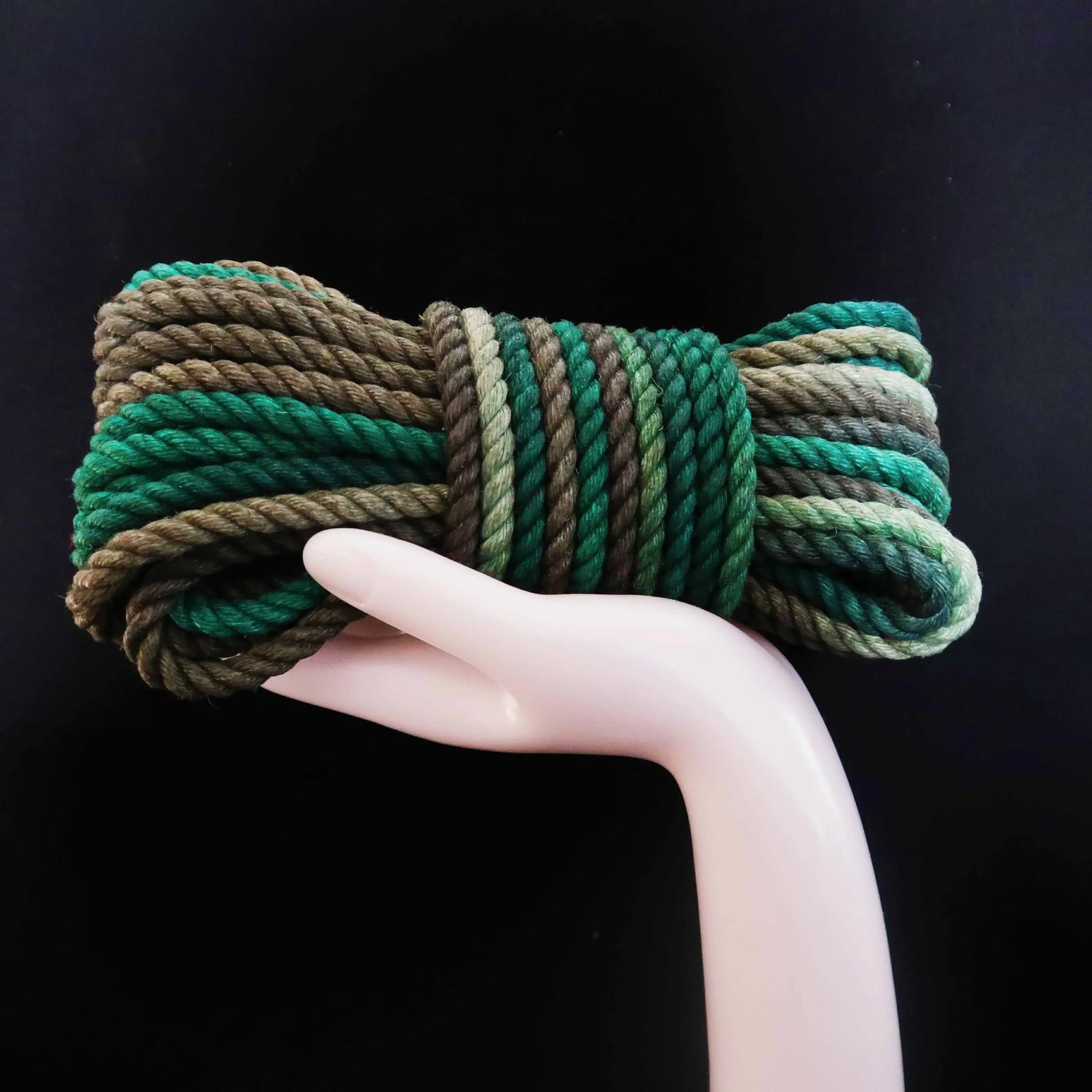


When beginners ask Reddit where to start with shibari, the answers are rarely as flashy as the photos that brought them there.
People do recommend books, classes, YouTube channels, and rope sellers. But underneath all of that, the same message keeps coming back: slow down. Learn safety first. Practice simple things until they stop feeling mysterious. Do not confuse a beautiful picture with a safe practice.
If I had to begin again from zero, that is exactly where I would start.
Start With The Boring-Sounding Foundations
The first thing I would learn is not a dramatic harness. It is not suspension. It is not a complicated pattern with a name I can barely pronounce.
I would start with rope handling, tension, communication, and basic safety signals. I would learn how rope moves through my hands, how quickly tension can change, and how different bodies respond to pressure.
That may sound humble, but it is not small. The difference between careless rope and thoughtful rope often lives in those quiet details.
In public Reddit discussions, experienced people often push beginners toward foundational ties and safety basics because they know how easy it is to copy the shape without understanding the risk. A tie can look correct and still feel wrong. A pattern can be pretty and still be badly placed. A beginner needs judgment more than a catalog of shapes.
Learn One Simple Tie Well
If there is one tie beginners see mentioned again and again, it is the single column tie. I am not going to teach the mechanics here, because a good visual lesson or in-person class is better for that. But I will say why it matters.
A single column tie teaches you how to secure rope around one point without turning the body into an afterthought. It teaches tension, friction, placement, release, and calm repetition. It also gives you a safe place to notice mistakes.
I would practice it slowly, untie it cleanly, and repeat it until I understand why it works. Not until it looks impressive. Until it makes sense.
Use More Than One Learning Source
Reddit beginners often ask whether books, videos, online courses, or in-person workshops are best. My honest answer is: use them for different things.
Books can help you understand concepts. Videos can help you see motion and hand placement. Online classes can give structure. In-person workshops can give feedback that the internet cannot.
If I could choose only one, I would choose in-person beginner instruction from someone with a good safety reputation. But if that is not available, I would combine careful online learning with very conservative practice. I would avoid treating random social media clips as complete instruction.
One thing I would not do: build my entire learning plan around chasing what looks most advanced.
Keep Suspension In The Future
Suspension appears early in many beginners' imagination. It is beautiful, theatrical, and easy to romanticize. It is also not a beginner project.
Reddit advice around suspension tends to be blunt for a reason. Suspension changes the risk level. Weight, panic, fatigue, nerve pressure, hardpoints, uplines, and emergency response all matter. Floor rope gives you room to learn without stacking every risk at once.
If suspension is your long-term goal, let that goal make you more patient, not less. Take classes. Learn anatomy. Watch experienced people. Ask boring questions. Respect the difference between wanting something and being ready for it.
Build A Three-Month Roadmap
If I were starting today, I would make the first three months simple.
Month one would be safety, vocabulary, rope handling, and one or two foundational ties. I would learn danger signs: numbness, tingling, sharp pain, coldness, discoloration, dizziness, panic, or any loss of clear communication.
Month two would be repetition. I would practice tying and untying. I would learn to keep rope flat, tension even, and conversations normal. I would attend a class or rope jam if possible.
Month three would be gentle expansion. Maybe a simple harness. Maybe more body-position awareness. Maybe a decorative self-tie. Still no suspension. Still no rushing.
The point is not to move slowly forever. The point is to move honestly.
Let Your First Goal Be Trust
Shibari beginners often want to know when they will be "good." I understand that. But if I could trade early prettiness for early trust, I would.
Trust means the person in rope feels heard. Trust means the person tying can stop without ego. Trust means nobody has to pretend discomfort is fine. Trust means safety questions are welcome.
That is the real beginner roadmap: learn enough that people can relax with you.
Everything beautiful grows better from there.